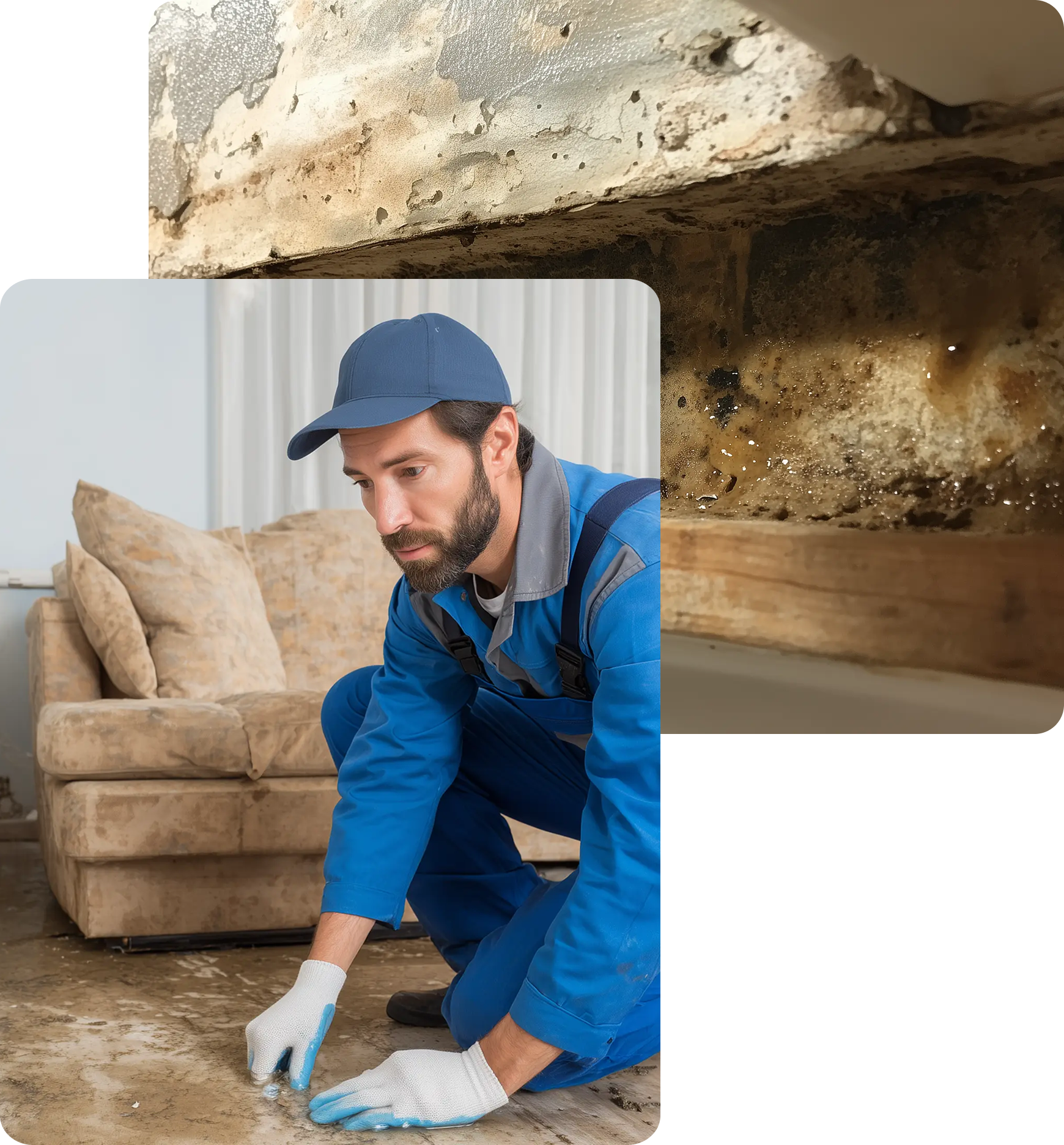
Water Damage Restoration & Clean up in Peachtree Corners, GA
Why choose Claro for water damage restoration

What separates Claro from standard restoration companies is who we answer to — our clients, not insurance adjusters. Homeowners choose us when they want the job done right, not just done fast enough to close a claim.
After a water event, most people want one thing: to know their home is truly safe. We focus on the concerns that keep homeowners up at night — hidden moisture, musty air, and the slow creep of mold that often follows weeks after the water is gone.
Every property we work on gets a thorough individual assessment. We map moisture pathways, identify materials at risk, and flag the spots that are easy to overlook but critical to get right. Our technicians walk you through every step — what we're treating, why it matters, and what you can do to reduce the risk of future problems.
If protecting your family's health after water damage is the priority, Claro brings a level of thoroughness and honesty that standard restoration rarely offers. We don't just dry things out — we make sure your home is genuinely safe to live in
Our 4-step water damage restoration process
1
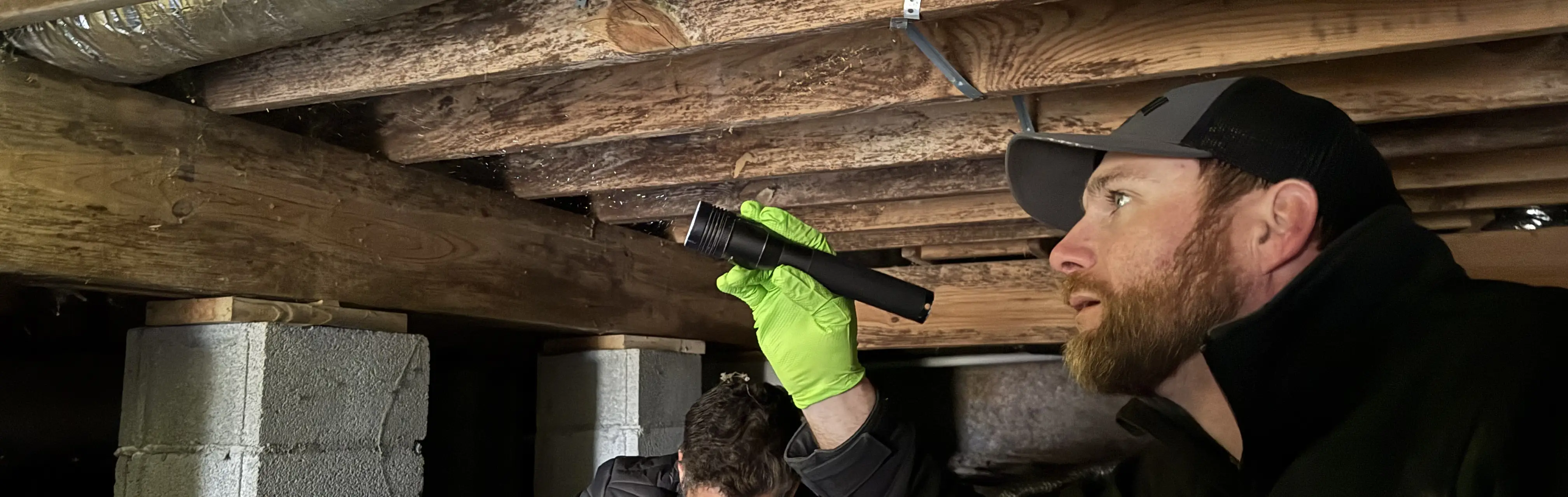
Emergency assessment and inspection
The moment we arrive, we get to work mapping the full extent of the damage — not just what's visible on the surface. Our technicians trace how moisture is moving through the structure, identify every affected area, classify the type of water involved, and put together a restoration plan designed to prevent mold and air quality issues down the line.
2
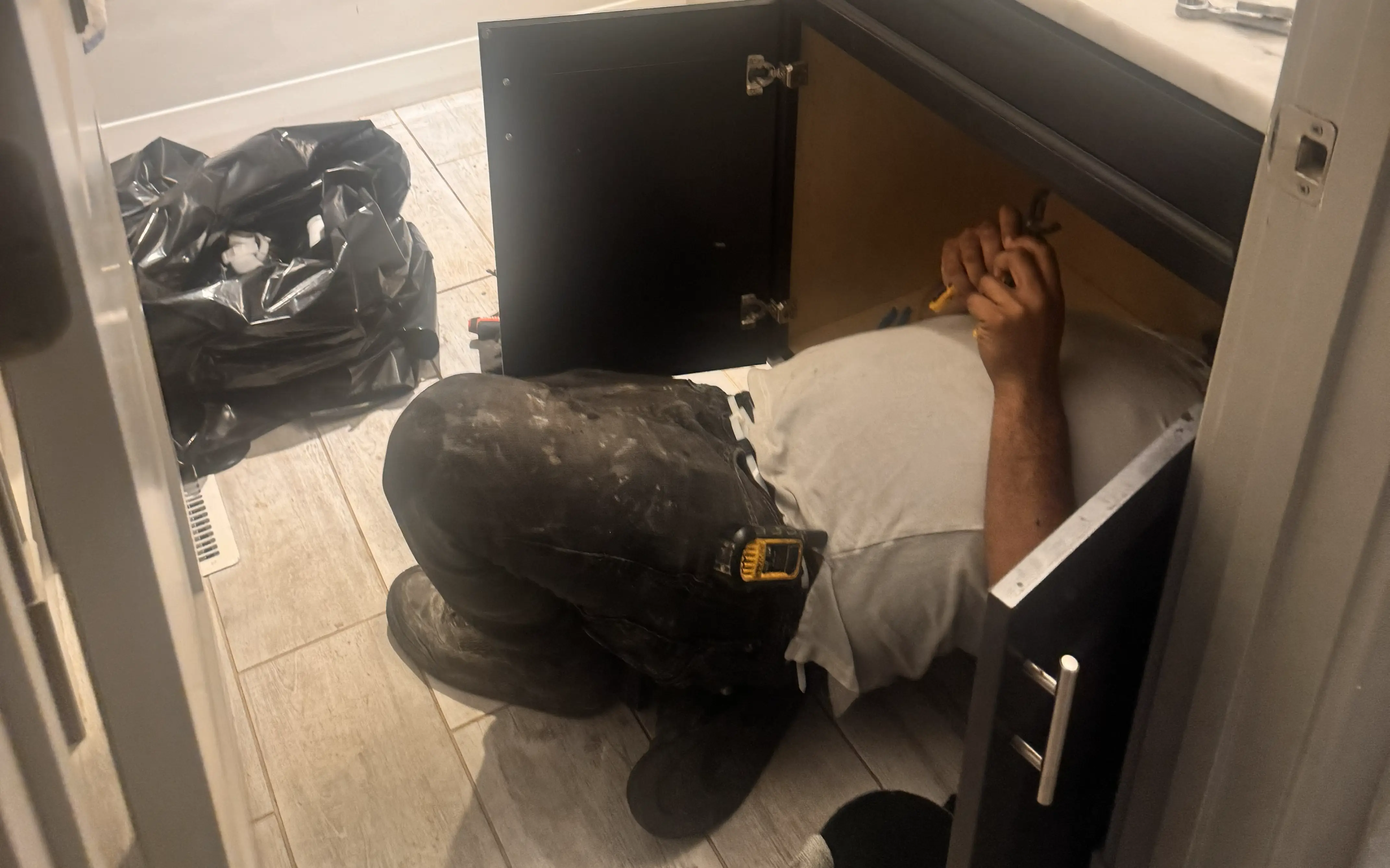
Water source repair and containment
No restoration work should begin until the source is completely under control. A burst pipe, a failing roof, a leaking appliance — whatever caused the intrusion needs to be fully resolved first. Skipping this step is one of the most common reasons water damage leads to recurring mold problems.
3
Complete drying and dehumidification
Surface drying isn't enough. We bring in industrial-grade equipment to pull moisture out of wall cavities, subfloors, structural framing, and other materials where mold quietly takes root. Getting the structure genuinely dry — not just dry to the touch — is what makes everything that follows actually work.
4
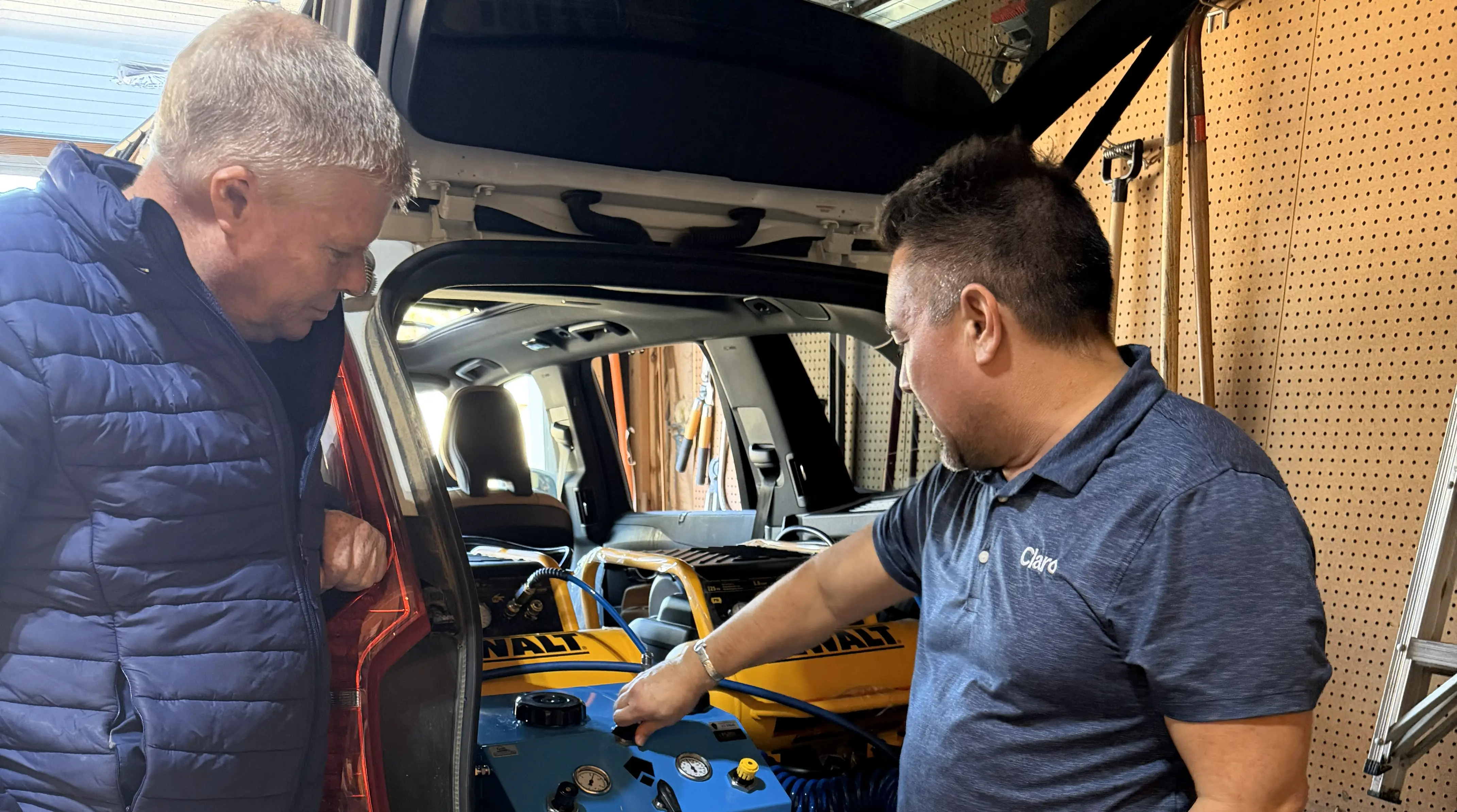
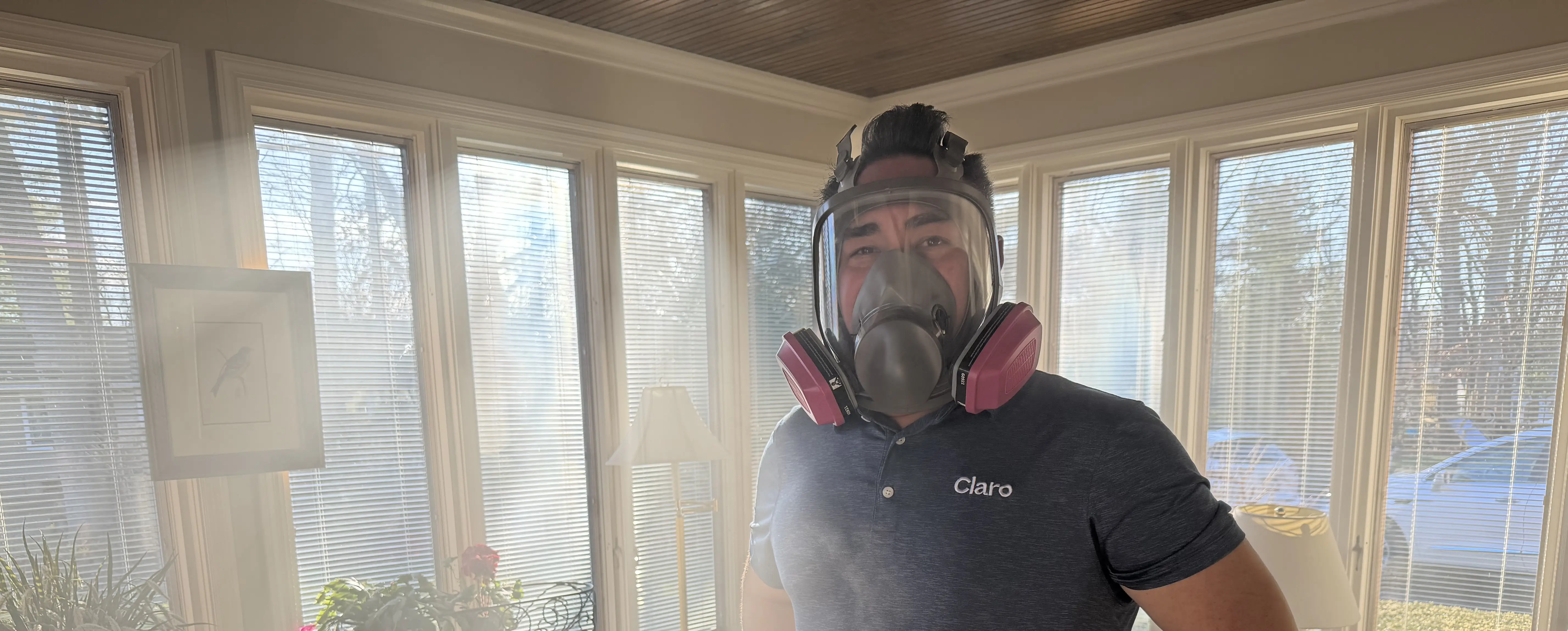
Cleanup and mold prevention with patented dry fog treatment
Once the structure is dry, we go further than any standard restoration company. Our patented dry fog treatment is applied throughout the home, sending microscopic particles into wall cavities, cracks, and hard-to-reach spaces where bacteria and mold spores linger long after the water is gone. No moisture is added back into the home in the process.
For Gwinnett County and surrounding communties homeowners worried about mold-related illness following water damage, this final step is what makes Claro different. We don't hand you back a dry house — we hand you back a healthy one.
Common water damage scenarios in Peachtree Corners & Surrounding Areas

Rapid Suburban Development

Chattahoochee River Proximity

Drainage issues
Severe storm patterns

HVAC Condensation Issues