
Case Study: Rental duplex crawlspace mold required full encapsulation
A Murfreesboro rental property owner was replacing rotting flooring in their duplex when they discovered a serious problem underneath. The flooring damage prompted them to call Claro to investigate whether mold was present in the crawlspace below.
A pest company had also inspected the property and confirmed mold contamination in the crawlspace. For a rental property, mold issues create liability concerns, tenant health risks, and potential structural damage that can't be ignored.
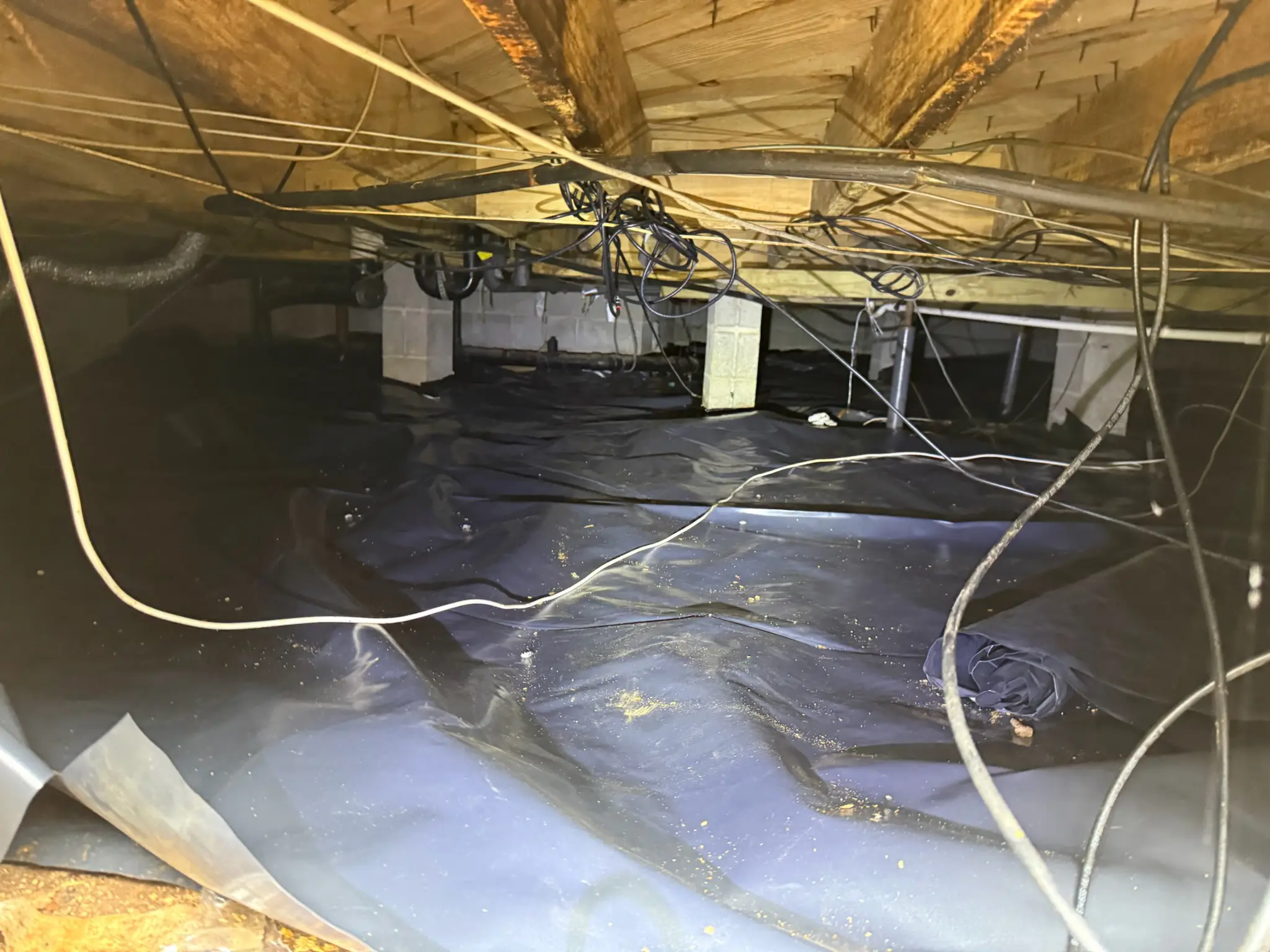
Claro's inspection confirmed what the property owner and pest company suspected: the crawlspace showed significant mold contamination. The rotting flooring above was evidence of moisture problems that had created ideal conditions for mold growth below.
Crawlspace mold is particularly problematic in rental properties. Moisture rises from contaminated crawlspaces into living areas, affecting air quality for tenants. The rotting floors were the visible symptom, but the crawlspace contamination was the root cause that required comprehensive intervention.
Simply replacing the flooring wouldn't solve the problem. Without addressing the crawlspace moisture and contamination, new floors would eventually rot again, and tenants would continue breathing contaminated air rising from below.
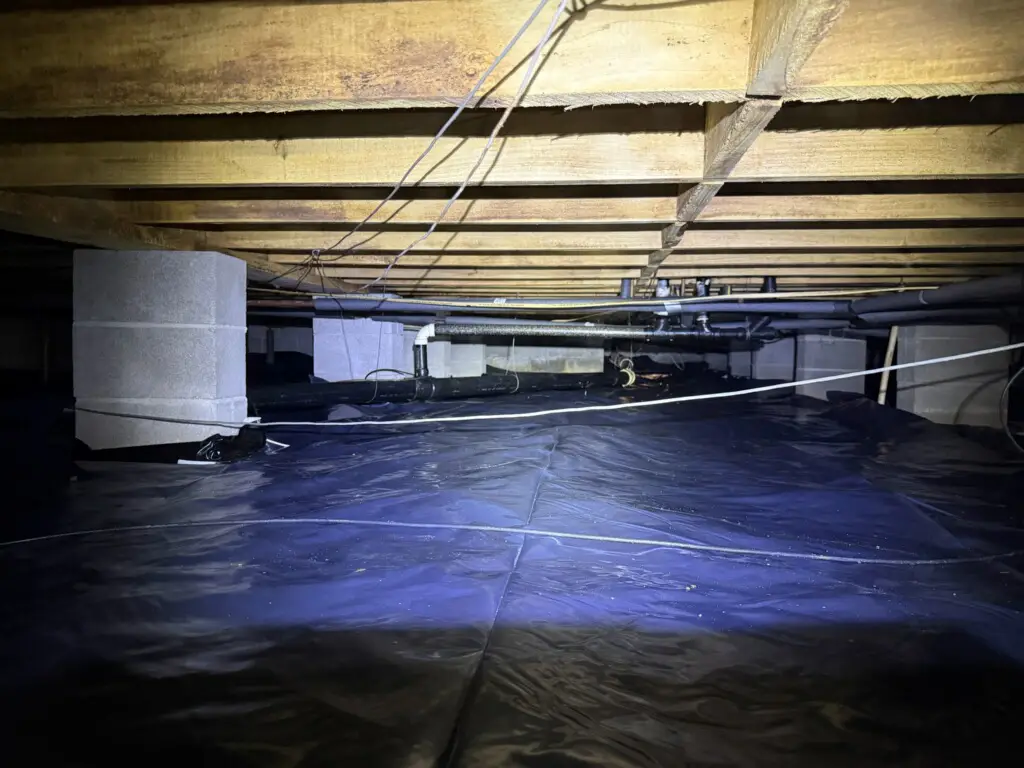
Claro performed comprehensive crawlspace remediation and encapsulation to eliminate the contamination and prevent future moisture problems. The work included professional crawlspace encapsulation with installation of 10 mil vapor barrier attached to the foundation walls, all seams sealed with whitecap seam tape (3-inch), sealing of all subfloor penetration points, and sealing of all foundation penetration points.
Beyond the encapsulation, Claro treated the crawlspace to eliminate existing mold contamination and performed whole-home fogging to address any contamination that had migrated into the living areas.
The comprehensive approach meant the property owner could replace the rotting floors knowing the underlying moisture problem was solved. The vapor barrier prevents ground moisture from entering the crawlspace. The sealed penetrations eliminate air leaks. And the whole-home treatment ensured tenants would breathe clean air.
This case demonstrates why crawlspace problems require more than spot treatment. The rotting floors were a warning sign of systemic moisture issues. Proper remediation meant encapsulation to control moisture, treatment to eliminate contamination, and whole-home fogging to protect the living spaces above. For rental properties, this comprehensive approach protects both the owner's investment and the tenants' health.